Navigating financial assistance can be complex, but this LIHEAP 2026: Emergency Heating & Cooling Assistance Guide is designed to clarify how the Low Income Home Energy Assistance Program can help you manage utility costs. It’s crucial to understand that LIHEAP is distinct from initiatives like the HEEHRA Program (Home Energy Rebates); while HEEHRA focuses on long-term home improvements like heat pump installations, LIHEAP 2026 provides direct financial aid to help cover your monthly heating and cooling bills, offering immediate relief when you need it most.
Understanding LIHEAP 2026: Emergency Heating & Cooling Assistance
The Low Income Home Energy Assistance Program (LIHEAP) continues to be a vital federal program designed to help low-income households, particularly those with the greatest need, manage their home energy costs. For mid-2026 and early-2027, funding for LIHEAP is primarily driven by new tariff revenues and strategic DOGE budget cuts, reflecting a continued commitment to supporting vulnerable populations.
Immediate Relief: LIHEAP 2026 Crisis Grants
One of the most critical components of the program is the LIHEAP 2026 Crisis Grants. These grants offer immediate financial assistance to households facing an imminent energy crisis, such as a utility shut-off notice or a broken heating/cooling system during extreme weather. If your household is facing a utility shut-off within 48 hours, a Crisis Grant can provide rapid financial aid to prevent disconnection.
Types of LIHEAP 2026 Assistance
| Assistance Type | Description |
|---|---|
| Regular Bill Payment | Helps eligible households pay a portion of their monthly heating or cooling utility bills. |
| Crisis Grants | Provides immediate aid to households facing an energy crisis, such as a utility shut-off notice or needing an emergency repair. |
| Weatherization | Assists with minor home repairs or weatherization services to improve energy efficiency and reduce future energy costs. |
Who Qualifies? LIHEAP 2026 Eligibility Rules
LIHEAP 2026 is designed to assist low-income families, seniors, and individuals with disabilities who struggle to meet their energy needs. Eligibility is primarily based on household income, typically set at 150% of the Federal Poverty Level or 60% of the state median income, whichever is higher.
Key Eligibility Requirements
| Requirement | Details |
|---|---|
| Income Level | Your household income must meet state-specific low-income guidelines (usually ≤ 150% FPL). |
| Responsibility | You must be responsible for paying your home energy bills, either directly or as an un-subsidized renter. |
| Residency | Proof of residency in the state where you are applying is mandatory. |
| Vulnerability | Priority is often given to households with elderly members, disabled individuals, or young children. |
Estimated LIHEAP 2026 Income Limits
While exact figures are subject to 2026 Budget Re-allocation, the baseline for LIHEAP 2026 eligibility is generally tied to the Federal Poverty Level.
| Household Size | Estimated Max Annual Income (2026) |
|---|---|
| 1 Person | Up to $30,000 |
| 2 People | Up to $40,000 |
| 3 People | Up to $50,000 |
| 4 People | Up to $60,000 |
| Each Additional | Add approximately $10,000 |
Where You Live Matters: State Administration
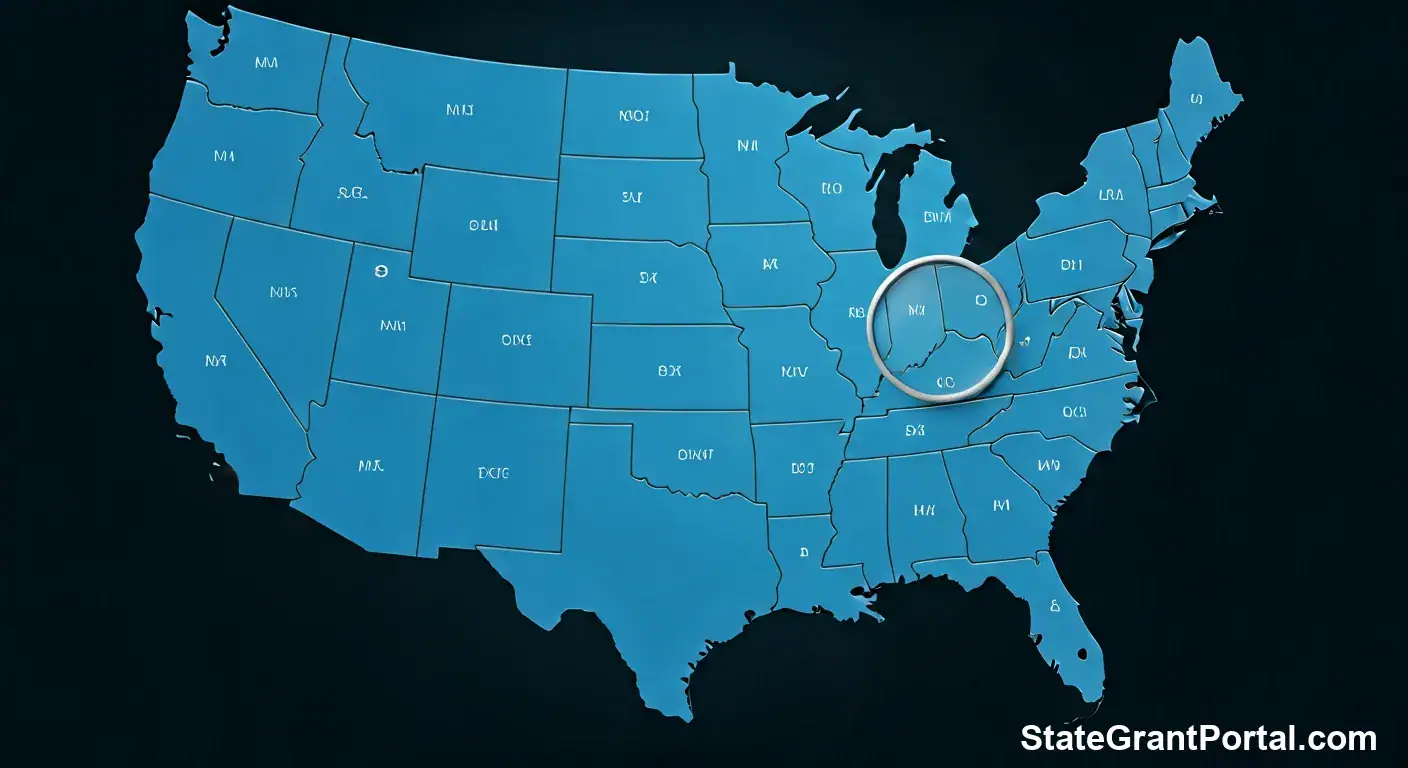
LIHEAP 2026 is a federally funded program, but it is administered at the state and local levels. This means that specific eligibility criteria, application periods, and benefit amounts can vary significantly depending on where you reside. You must apply through your local Community Action Agency.
Official Resources & Application Portals
To apply for LIHEAP 2026, do not use third-party sites. Use these official government locators:
| Resource | Description |
|---|---|
| LIHEAP Official Clearinghouse | Find your state’s specific program and contact info: LIHEAP Clearinghouse |
| Benefits.gov | Check your eligibility for energy assistance: Benefits.gov – LIHEAP |
| Community Action Partnership | Locate your local agency to apply in person: Find a CAP |