
A New Tax Form Alert! has everyone talking about the potential to unlock HUGE savings with Schedule 1-A Tax Deductions 2026. The federal government is introducing this groundbreaking new form designed to help millions of eligible Americans reduce their tax burden and potentially receive significant financial relief.
As of January 30, 2026, discussions are in full swing regarding this innovative approach to tax savings. This new deduction strategy is primarily funded by strategic New Tariff Revenues and prudent DOGE Budget Cuts, aiming to simplify the tax code for the middle class. While many are focused on the Standard Deduction increase in 2026, Schedule 1-A offers additional targeted relief.
Understanding Schedule 1-A Tax Deductions 2026
Schedule 1-A Tax Deductions 2026 is not just another piece of paperwork; it’s a critical component of the federal government’s Mid-2026 economic stimulus strategy. This new schedule aims to simplify the process for claiming specific “above-the-line” deductions and credits that were previously complex or overlooked.
Its introduction is a direct response to the evolving economic landscape, ensuring that financial relief is accessible to those who need it most. This is especially relevant as taxpayers prepare for the upcoming 2026 Tax Season.
Who Benefits from Schedule 1-A?
This new form is primarily targeted at individual taxpayers and families who meet specific income and eligibility criteria. The goal is to provide a baseline of $2,000 for single filers and $4,000 for joint filers.
Though these amounts are subject to adjustments based on the finalized 2026 tax brackets, it serves as a proactive measure to put more money back into the pockets of hardworking Americans, complementing other efforts like the move to Unlock Tax Credits with Overtime and Tips.
Schedule 1-A Tax Deductions 2026: Eligibility & Income Limits
To qualify for the potential savings offered by Schedule 1-A Tax Deductions 2026, taxpayers must meet certain criteria. These are currently Pending Congressional Approval, but the proposed guidelines are clear.

Proposed Income Limits (Adjusted for 2026)
The following income limits are proposed to ensure the Schedule 1-A Tax Deductions 2026 benefits reach those within specific financial thresholds:
Preparing for Schedule 1-A: A Checklist
Even though final approval is pending, you can start preparing now to maximize your potential savings with Schedule 1-A Tax Deductions 2026. Being proactive ensures you’re ready when Schedule 1-A becomes fully active.
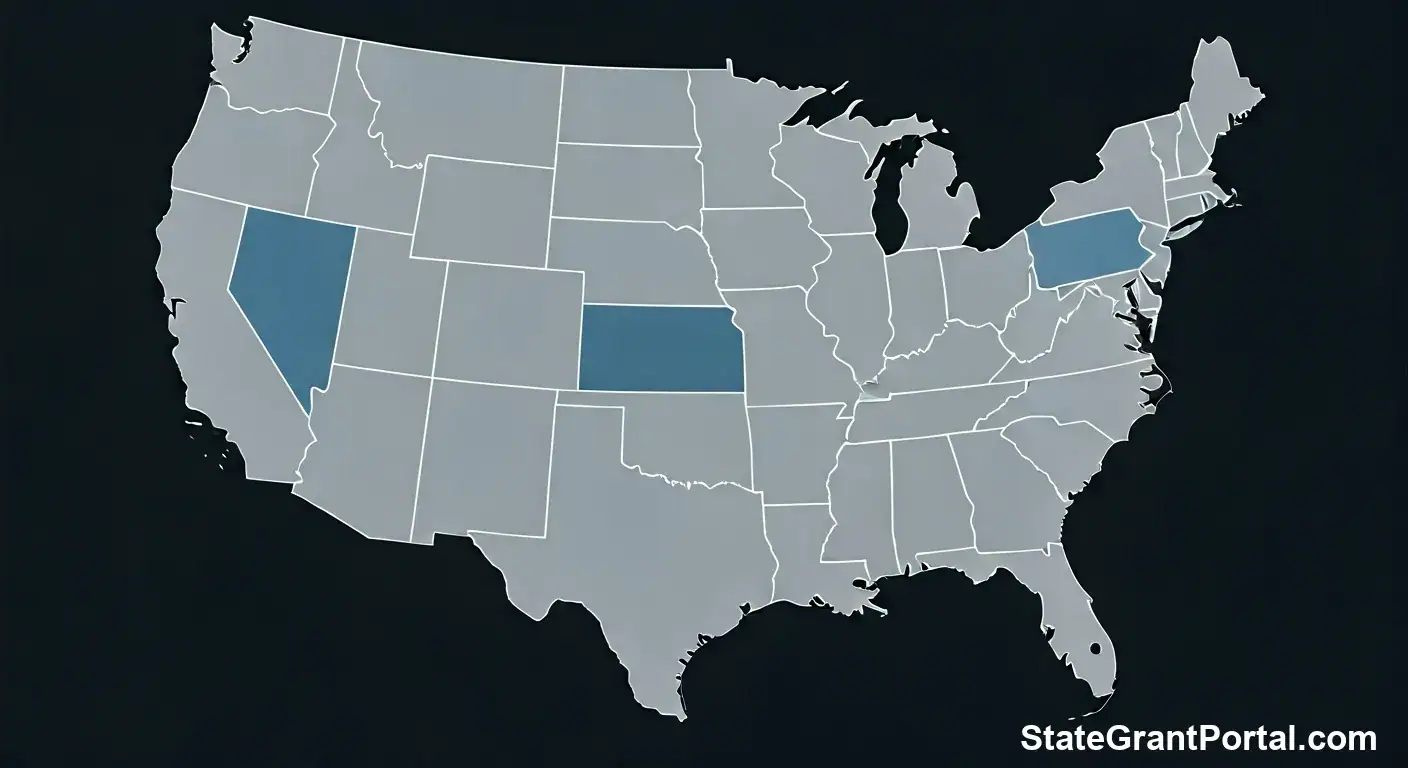
Where You Live Matters: State-Specific Considerations
While Schedule 1-A Tax Deductions 2026 is a federal initiative, its interaction with state tax codes can vary. It’s crucial to understand your state’s specific tax landscape.
Resources for Schedule 1-A and Tax Information
FAQ: Schedule 1-A Tax Deductions 2026
Q: When will Schedule 1-A be officially available?
A: Schedule 1-A Tax Deductions 2026 is currently Pending Congressional Approval. We anticipate it will be officially available for the 2026 tax year filing season.
Q: What is the primary funding source?
A: The initiative is primarily funded through New Tariff Revenues and savings from DOGE Budget Cuts.
Q: Can I claim Schedule 1-A if my income is high?
A: Benefits are designed with income limits (e.g., Single < $75k). If your income exceeds these limits, you may not be eligible for the full Schedule 1-A Tax Deductions 2026 benefit.